Upper-Eyelid Blepharoplasty
Upper-eyelid blepharoplasty removes excess skin, and sometimes a small amount of fat, from the upper eyelids. At The Eyelid Studio it's offered when heavy or overhanging eyelid skin affects your vision, comfort or day-to-day life.
Consultations are from £250Dr Rupinder ChahalGMC-registered Oculoplastic Surgeon and Member of the Royal College of Ophthalmologists, treating patients at Leamington Road Dental Practice, 92 Leamington Road, Coventry CV3 6GS.
Is blepharoplasty right for me?
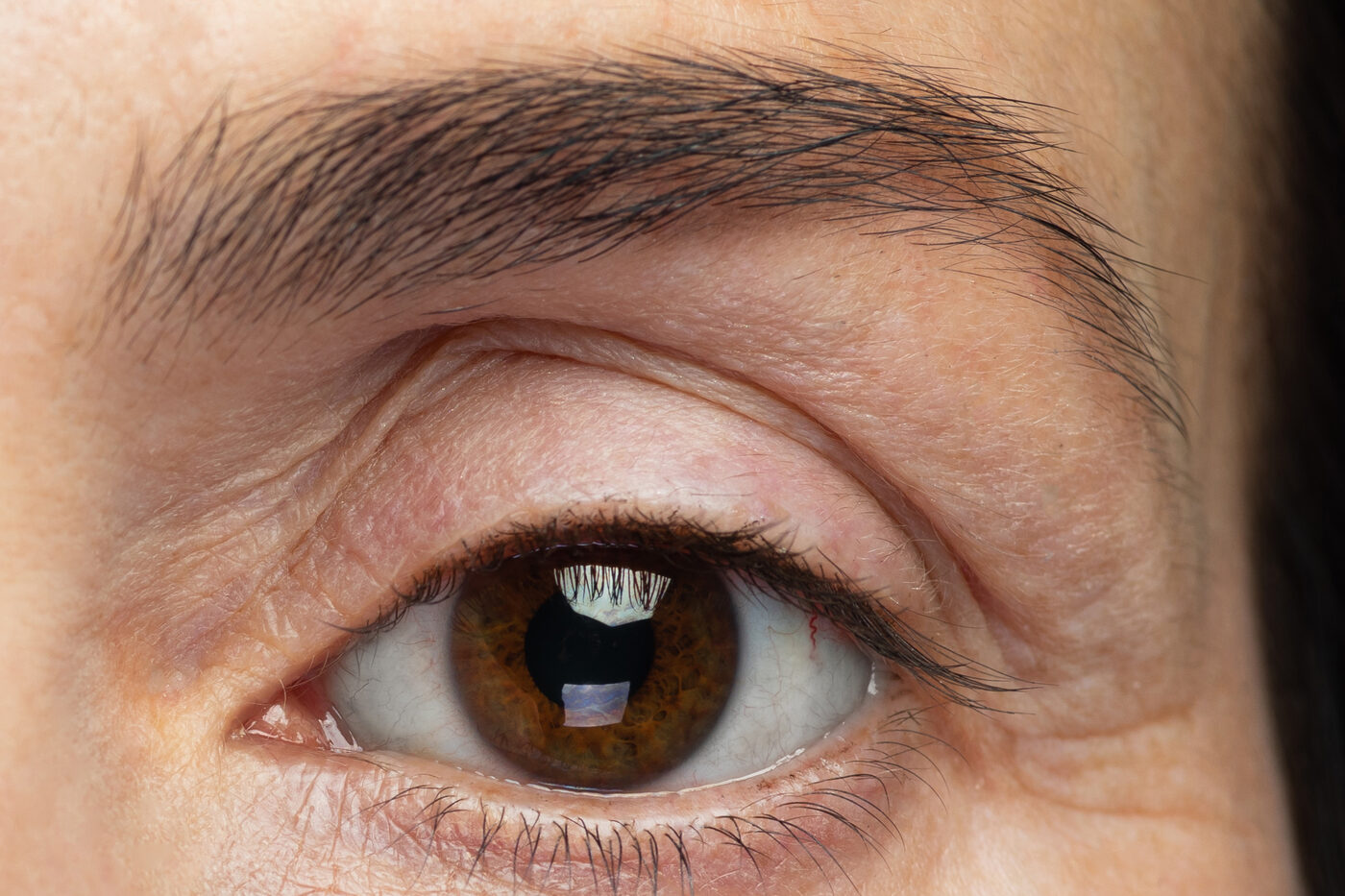
You may benefit from an assessment if you notice any of the following:
- Eyelid skin rests on or over your eyelashes, or narrows your upper field of vision
- Your eyes feel heavy or tired, especially later in the day
- You raise your eyebrows to see clearly, which can cause forehead ache
- Moisture becomes trapped in the eyelid crease, causing irritation or soreness
Not every heavy upper eyelid is caused by excess skin. A drooping eyelid margin (ptosis) or a low brow needs different treatment, which is why every patient is assessed first.
Your consultation
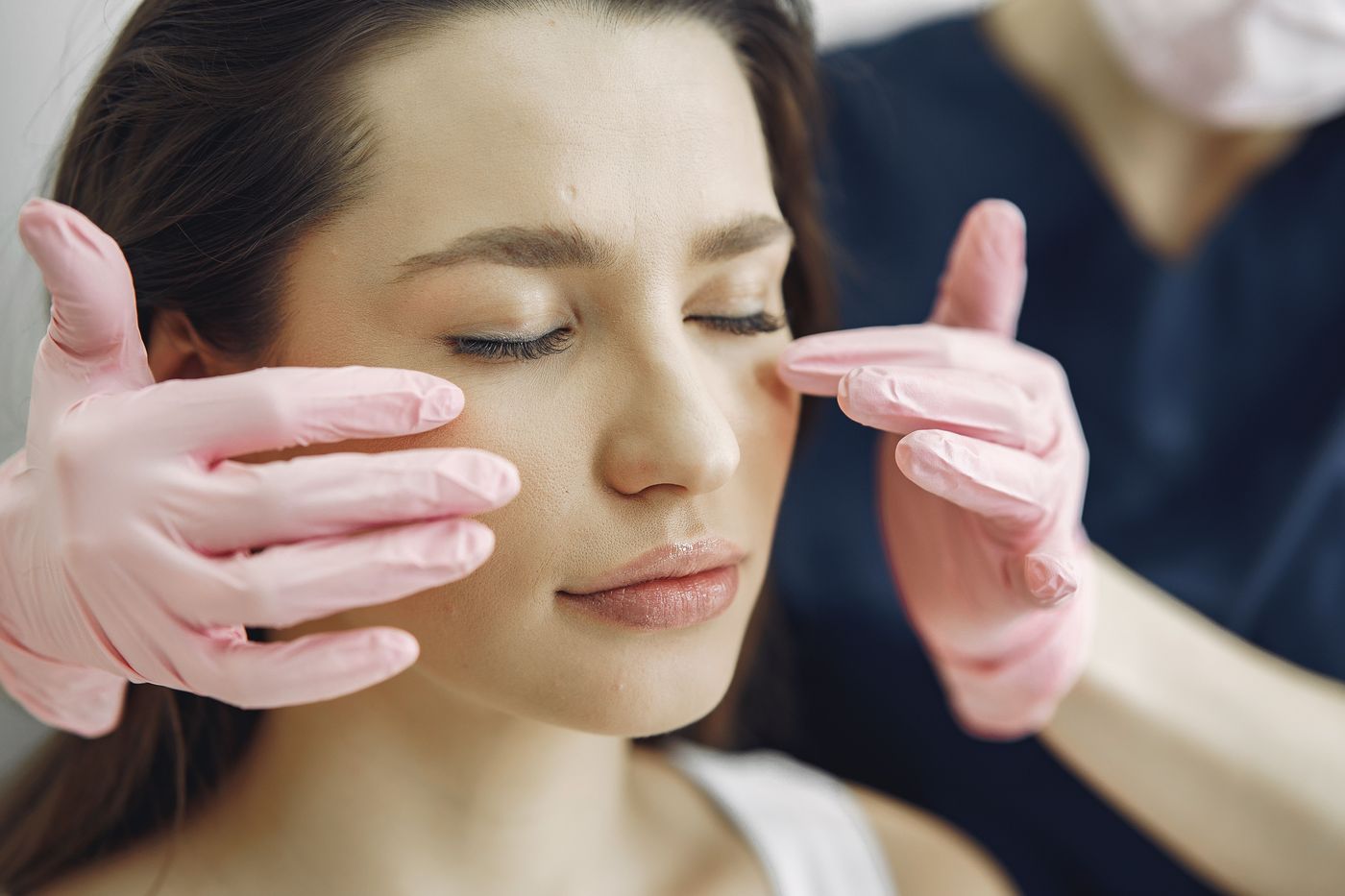
Rupinder examines your eyelids, brows and the surface of your eyes, and asks about your symptoms and medical history. If blepharoplasty is suitable, she explains what the procedure would involve for you, the likely recovery and the risks.
Your treatment price is confirmed at the end of your consultation. Procedures can't be booked without a consultation first.
The procedure
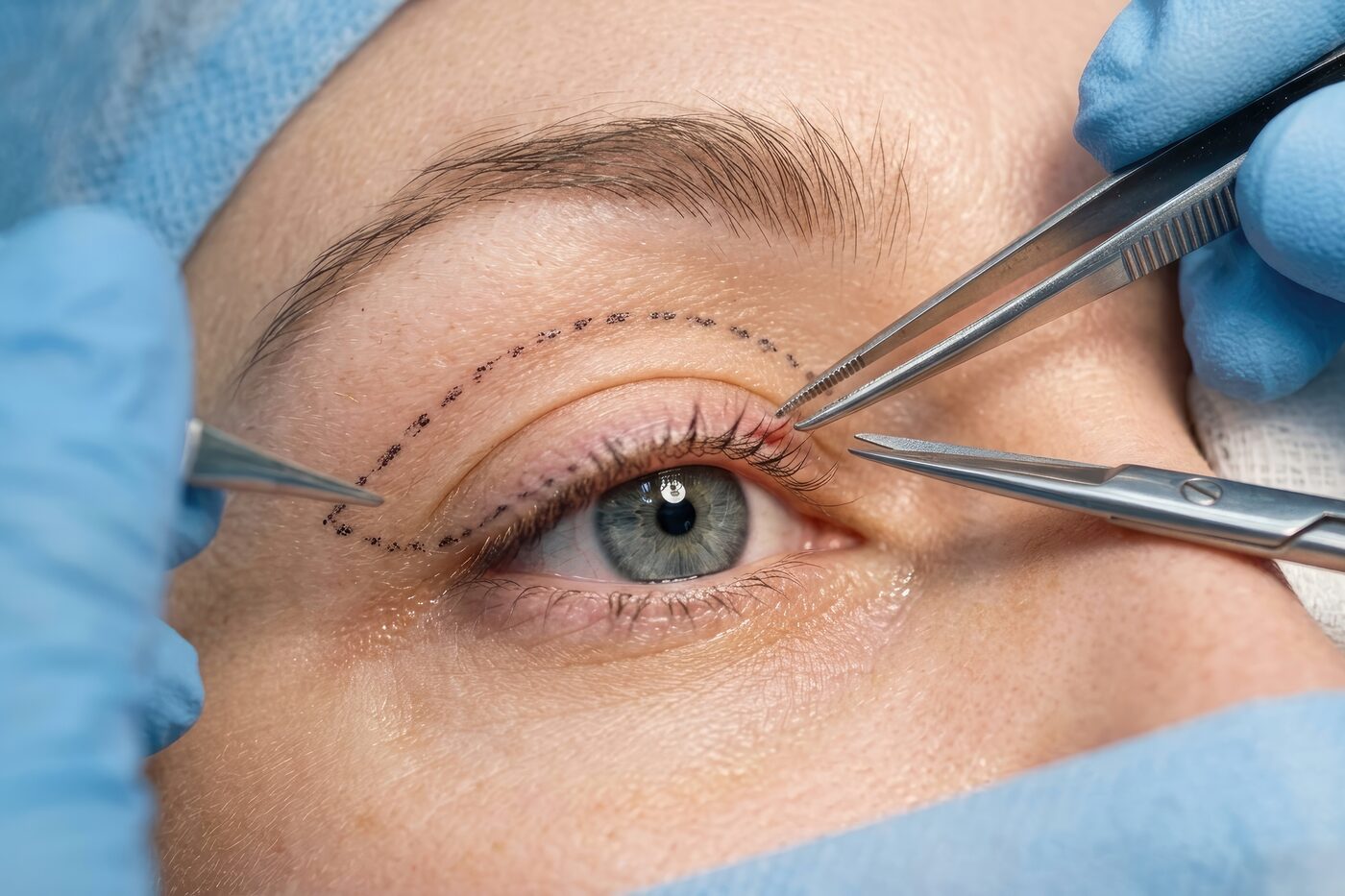
Upper-eyelid blepharoplasty is carried out under local anaesthetic, so you're awake but the area is numb. Rupinder removes the excess skin through an incision placed in the natural eyelid crease, where the scar usually becomes hard to see once healed.
The procedure typically takes around an hour, and you go home the same day.
Recovery

Bruising and swelling are normal and usually settle within one to two weeks. Stitches are typically removed about a week after surgery.
You'll be given tailored aftercare advice, including when it's safe to drive, exercise, wear make-up and return to work, and a follow-up appointment as part of your treatment.
Risks
As with any surgery, there are risks. These include bruising, swelling, infection, asymmetry, temporary dryness or difficulty closing the eyes fully, and visible scarring. Serious complications are rare. Rupinder talks through the risks that apply to you at your consultation.
What affects the price
- Treating one eyelid costs less than treating both
- More extensive hooding that extends toward the outer eyelid needs a larger procedure
- A noticeable fat-pad bulge alongside the excess skin needs additional contouring
- Previous surgery, scarring or unusual anatomy makes a case more complex
Treatment prices are confirmed at the end of your consultation.
Common questions about blepharoplasty
Can I have blepharoplasty on the NHS?
NHS funding for upper-eyelid blepharoplasty is limited and is usually only offered when excess skin significantly obstructs vision. Criteria vary by area. The Eyelid Studio is a private service, so a private consultation can be a quicker route if you'd rather not wait for NHS assessment or don't meet local criteria.
Is blepharoplasty painful?
The procedure is carried out under local anaesthetic, so the area is numb. Most patients describe mild discomfort rather than pain, both on the day and while healing, and this is usually managed with simple painkillers.
Will I have a visible scar?
The incision is placed in the natural crease of the upper eyelid, so once it has healed the scar usually sits within the fold and is difficult to see.
How long does recovery take?
Bruising and swelling usually settle within one to two weeks, though this varies from person to person. Rupinder gives you tailored aftercare advice and a follow-up appointment as part of your treatment.
Is heavy upper-eyelid skin always treated with blepharoplasty?
No. A drooping eyelid margin (ptosis) or a low brow can look similar but needs different treatment. That's why every patient is assessed at a consultation before any procedure is recommended.
Do you treat lower eyelids?
No. The Eyelid Studio treats upper-eyelid conditions only. If your concern is with your lower eyelids, let us know and we can point you toward an appropriate specialist.